
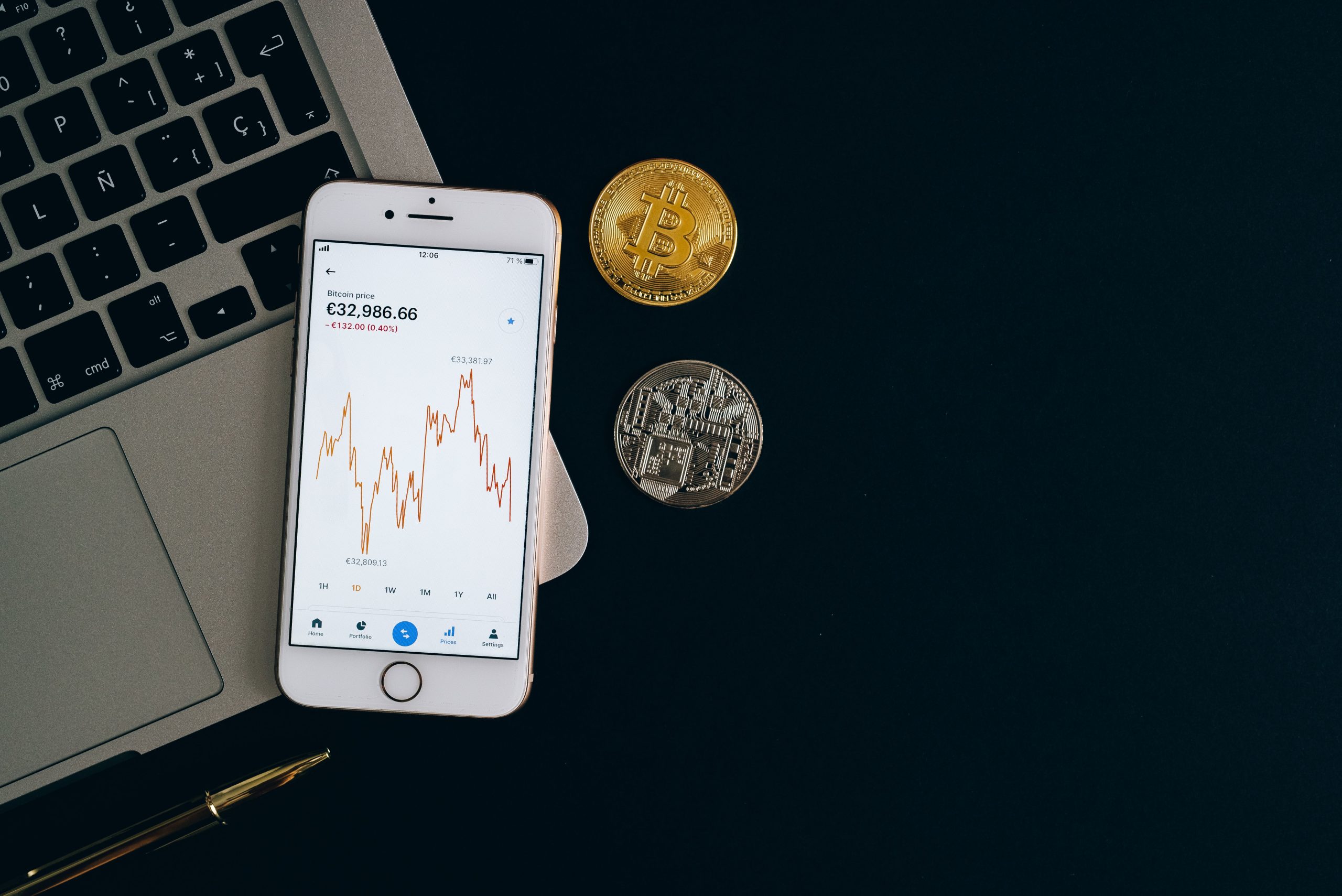
An unfamiliar conversion route can be easier to evaluate when the first transfer is intentionally small. A test transaction turns assumptions about wallets, networks, addresses, and the receiving process into something that can be checked before a larger Bitcoin amount is committed.
When a preliminary transaction is useful
A small test can be valuable when a holder plans to swap BTC through a process that has not been used before, especially when the destination wallet, asset, or network is unfamiliar. The point is not to divide every transaction into tiny pieces forever. It is to validate the route when uncertainty is higher than usual.
A test is particularly useful after changing wallets, using a new receiving address format, or converting into an asset on a network the holder has not previously used. It can also help when a larger transfer would be difficult to review calmly once submitted. The test creates a low-stakes opportunity to observe the complete sequence.
The test amount should be small relative to the planned main transfer but large enough to be recognized unambiguously in the receiving wallet. Its role is diagnostic rather than strategic.
Checking the sending and receiving wallets before the test
Both sides should be prepared before Bitcoin leaves the original wallet. The sending wallet needs the intended BTC balance available, while the receiving wallet must support the selected destination asset on the correct network. The destination address should be generated or copied from that exact receiving context.
The holder should open the receiving wallet first, select the destination asset and network, and leave that screen available while reviewing the conversion details. This reduces reliance on old notes or addresses copied in a previous session. It also makes the final comparison immediate.
Before the test begins, verify:
- the wallet from which BTC will be sent;
- the destination cryptocurrency;
- the receiving network;
- the destination address;
- the intentionally small test amount.
These items form the baseline for evaluating the result. If the route cannot be described clearly before the test, the test itself will be harder to interpret.
Verifying the destination asset, blockchain, and address
The destination should be treated as three separate fields: asset, blockchain, and address. A correct asset on the wrong network is not the same destination, and a valid-looking address is not sufficient evidence that the selected network is correct. Each field needs its own confirmation.
Wallet applications can make different networks look similar because they present them within one interface. The holder should therefore read the network label rather than infer it from the wallet name. If the same token exists on several chains, the network chosen in the receiving wallet should match the network shown in the conversion details.
After pasting, the address should be compared directly with the receiving wallet. For an important transfer, a full-string comparison is preferable; if the interface makes that awkward, verify several characters at the front and back. The test is specifically intended to verify the route, so address review should not be rushed.
Recording the outgoing Bitcoin test transaction
Once the test is sent, the transaction should be recorded in a way that allows it to be identified later. The most useful data are the approximate time, BTC amount, sending wallet, and transaction identifier shown by the wallet. This creates a reliable reference if several transactions occur close together.
The outgoing transaction identifier belongs to the Bitcoin blockchain. It can be used to confirm that the BTC transfer exists and to follow its status through a blockchain explorer. The holder does not need advanced technical knowledge to use this information; the goal is simply to distinguish “submitted in the wallet” from “recorded on the network.”
A short test log may contain:
- test amount in BTC;
- time sent;
- Bitcoin transaction identifier;
- destination asset and network;
- receiving address used for the test.
Keeping the record until the destination asset arrives makes the later comparison much easier.
Confirming that the expected asset reached the correct destination
The test is successful only when the expected asset appears in the intended receiving wallet on the intended network. Seeing a completed outgoing Bitcoin transaction is not enough because that confirms only the source side. The destination side needs its own verification.
The incoming transaction may have a different identifier because it belongs to another blockchain. The holder should check the received asset, amount, destination address, and network rather than searching for the original Bitcoin transaction ID on the destination chain.
If the wallet shows the incoming transaction as pending, the test can remain open until the status changes. There is no advantage in treating the route as verified before the destination side is actually complete.
A final wallet balance check is useful as well. The new balance should increase by the amount expected from the test, making it easier to confirm that the correct account received the funds.
Applying the lessons before a larger transfer
A completed test provides practical information that cannot be obtained from the setup screen alone. It confirms that the receiving address was correct, the chosen asset-network pair worked as expected, and the holder understood how to identify both sides of the process. Any confusion encountered during the test should be resolved before the main transaction. The larger transfer should not simply repeat the test by habit. The destination address, asset, network, and amount should be checked again because wallet state or copied information may have changed. The test validates the route, not every future data entry.
The test record can be used as a comparison point for the main transaction. If the same destination is intended, the labels and wallet context should look consistent. If something differs unexpectedly, that difference deserves attention before more Bitcoin is sent.
A small preliminary transfer is therefore most useful as a learning step. It converts an unfamiliar process into an observed process and gives the holder a concrete basis for deciding whether the larger transaction is ready to proceed.