
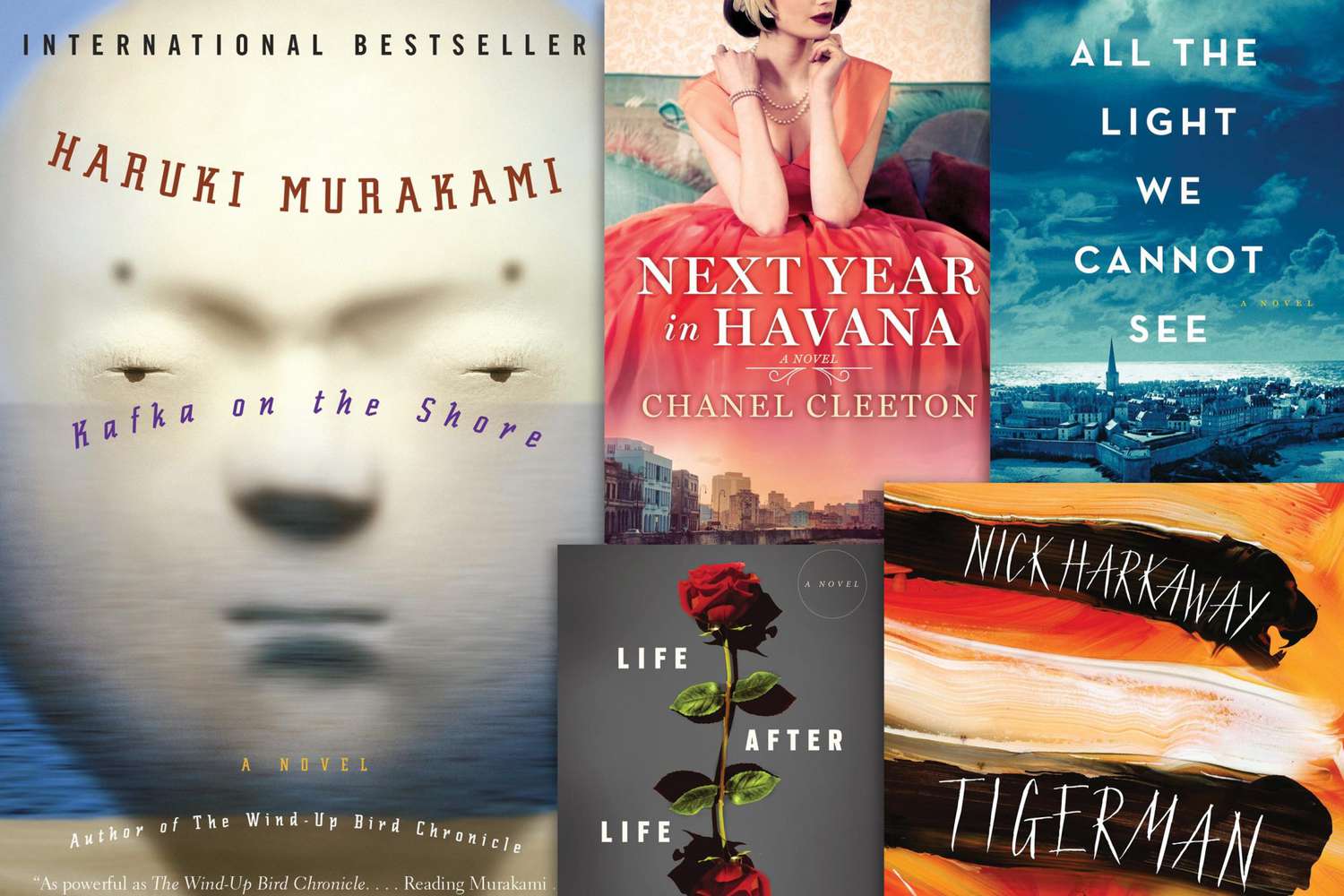
Making a cinematic adaptation of a well-known novel is an exciting and difficult task. Filmmakers who are bringing beloved stories from print to the big screen often face many complications.
Turning yourself into the next big gaming pro might also require some effort, but it’s an incredibly fun journey when you’re on the Vave App. With their massive catalog of options, you can build a fruitful career in no time!
Staying True to the Story
One of the biggest challenges is staying true to the original story. Book lovers have strong expectations and are often critical if the movie deviates too much from what they loved in the original IP.
Balancing the Details
Books have the luxury of space. Authors can spend pages describing settings, characters’ thoughts, and intricate plot details. Movies though, have limited time.
Producers must decide what to keep and what to cut. This balancing act is tricky because too many changes can upset fans, but including every detail can make things too long and complicated.
Condensing the Plot
Condensing a novel’s plot into a two-hour picture is another big challenge. They often have complex plots with multiple subplots and intricate details. People must streamline the story to fit the movie format while maintaining the essence of the story.
Cutting Subplots
Subplots that enrich a textbook story need to be cut or simplified sometimes. Deciding which parts to delete is difficult because each subplot may have its fanbase. The goal is to retain the main storyline and the core themes throughout.
Pacing Issues
Books can take their time to build suspense and develop the plot. Movies, however, need to maintain a faster pace to keep audiences engaged.
Film creators must find the right balance between slow, meaningful scenes and faster, action-packed ones to keep viewers interested from start to finish.
Visualizing the Story
Turning words into visuals is another major hurdle. Texts rely on readers’ imaginations, while movies must create those images on screen.
Setting and Atmosphere
Creating the right setting and atmosphere is crucial. Filmmakers need to build or find locations that match the descriptions in the book. This requires detailed planning and often a significant budget.
Fan Expectations
Fans of the book have high standards and specific expectations. If the movie strays too far from the source material, it risks backlash.
Adaptors need to understand what fans love about the book and ensure those elements are present in the movie. This often involves close collaboration with the author or consulting with fans during the production process.
Attracting New Viewers
The movie must also be accessible to newcomers. The plots should be clear and engaging, even for those who haven’t read the source material. This means adding explanations or background information that readers already know but new viewers need.
Important Scenes
Choosing which scenes to keep is a critical decision. One must focus on the most important and impactful moments from the book. These scenes should drive the plot forward and capture key themes and emotions.
Runtime and Editing
Editing is crucial to ensure the movie flows well and stays within the time limit. This often means cutting scenes that, while interesting, contribute little to the main storyline. Effective editing helps maintain a good pace and keeps the audience engaged.
Creative Differences
Adaptations often involve collaboration between the book’s author, the director, screenwriters, and producers. Creative differences can arise, making the adaptation process more complicated.
Team Collaboration
The production team must work closely to ensure a cohesive final product. This involves constant communication and compromise. Different team members may have different ideas about how to interpret the book, and resolving these differences requires diplomacy and a shared vision.