
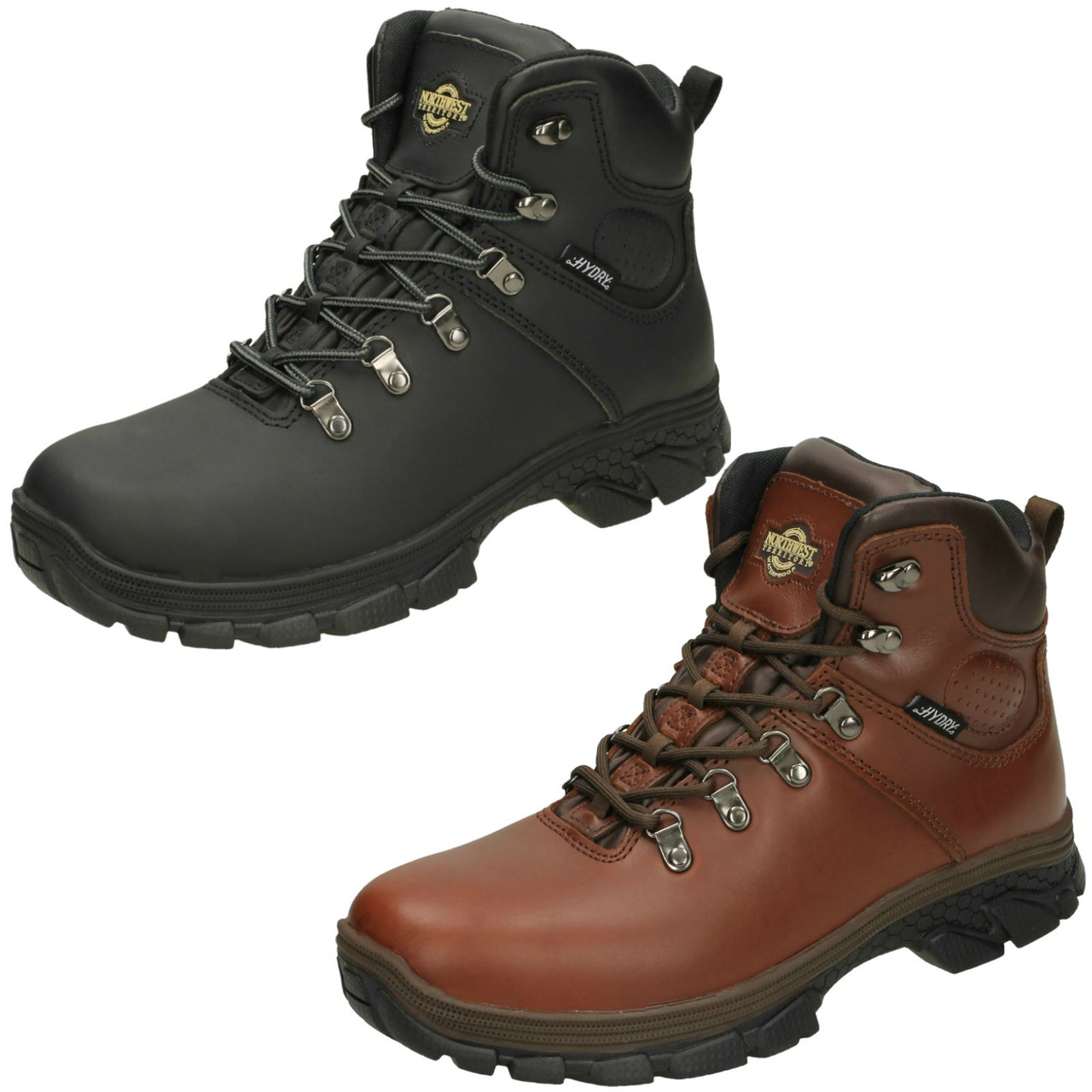
Fast shoes should bend easily and bend long.
The spot that works hardest is the forefoot.
Every step asks that area to fold, spring back, and stay quiet.
If we place seams wrong or use the wrong stitch count, the shoe fights the foot.
Good news: a few calm choices make big wins—lighter feel, longer life, less “hot” fatigue.
Start with a foot map (kid-simple, but real)
Put the shoe last on the bench.
Mark three lines with a pen:
- Ball-of-foot arc from big toe joint to little toe joint.
- Big-toe push line (medial, diagonal forward).
- Lateral toe-off path for stability.
These are red zones. Try not to park seams on them. If you must cross, cross once, at a shallow angle, and keep the curve smooth.
Seam placement rules that save energy
- Shift seams up or back. Move joins a few millimeters away from the main crease so the fold lands on clean material.
- Curve, don’t corner. A radius of 6–10 mm at every vamp and eyestay turn stops stress spikes. Corners crack; curves live.
- Short seam, long life. Chop panel count where you can. Every added seam means two allowances and one more rigid line.
- Keep rails parallel. If you use a double top-stitch, keep rails 2–3 mm apart and aligned with the pull direction so the fold slides instead of peels.
SPI: the quiet lever
SPI (stitches per inch) changes flex feel more than most folks think.
- Too high (many stitches): the seam becomes a tiny hinge—stiff, high heat, early whitening.
- Too low (few stitches): seam can ladder or slip under toe loads.
Sweet spots:
- Knits/mesh uppers: 10–12 SPI for construction, 3.0–3.5 mm stitch length for top-stitch.
- Wovens/synthetics/leather hybrids: 8–10 SPI with 3.0–3.3 mm top-stitch.
Pilot a step down in SPI where safe; many teams drop 8–12% thread length while gaining smoother flex.
Stitch class & path
- Lockstitch 301 for most forefoot joins: fewer holes, crisp control.
- Coverstitch/zigzag only for collars or elastic zones; avoid a big zigzag right on the crease.
- One-pass routes. Design the seam so the machine can start, sweep the curve, and finish without many stops. Every stop adds a stiff back-tack right where the shoe wants to bend.
Thread, needle, holes (tiny things, big effect)
- Use the finest ticket that still passes pull tests. Smaller thread = smaller needle = smaller hole = less stress riser.
- Polyester sewing thread is a safe general choice; pick anti-wick finish in splash areas so water doesn’t creep and soften the bend. Nylon sewing thread can also be an option.
- Needles: ball/micro point for textiles (NM 80–90), leather/tri only on leather overlays. Start small; go up only if you see skips.
- Tension & foot pressure: set just high enough to hide loops. Heavy pressure stretches thin uppers and makes a wavy hinge.
Bond when you can, sew when you must
A sew-bond hybrid in the forefoot is gold.
Use a narrow heat film under the seam to carry some load, then stitch a clean line to lock.
Less thread mass, smoother fold, fewer holes to start tears.
Match film chemistry to upper polymer to keep recycling simple.
Rand, toe spring, and midsole partners
- Feather the rand edge. A tall, square rand makes a hard hinge. Taper it so the fold is gentle.
- Moderate toe spring. Too aggressive spring forces the upper to kink; a natural arc reduces crease stress.
- Flex grooves in the outsole/midsole should line up with your red-zone map. If the bottom bends somewhere the upper cannot, fatigue jumps.
Inside construction that helps outside flex
- Strobel seam offset. Move the strobel join slightly medial so the main crease lands on clean strobel cloth, not on a ridge.
- Board lasting? Seal the strobel line or switch to a softer board at the forefoot to let the fold happen over a longer distance.
- Insole cut-outs. A small relief window in the insole foam at the ball-of-foot reduces local pressure on stitches.
Breathability and moisture: sneaky fatigue makers
Wet uppers bend harsher.
Keep the forefoot dry-back fast:
- Use spacer mesh under the vamp lining.
- Keep bond lanes narrow so vapor paths stay open.
- Avoid cotton content in thread or lining near the crease—it drinks and stays heavy.
Testing that tells truth (quick, cheap, useful)
- Flex drum at target angle: 50k–100k cycles; watch for seam whitening, thread fray, overlay lift.
- 3-point bend on a stitched coupon: record force to a set angle; compare SPI/needle combos. Lower, stable force = less fatigue.
- Wick strip. Dip 10 mm of a stitched coupon in dyed water for 30 min; measure climb. High climb? Expect mushy bends on rainy runs.
- A/B run on-foot: same shoe with two vamps (SPI X vs. Y). Ask testers for perceived stiffness at different time gaps of 5 minutes, then 20 minutes, and finally, 60 minutes.
Troubleshooting Tabular Representation
| Symptom | Likely cause | Fast fix |
| Crease crack at vamp edge | Corner too sharp / SPI too high | Add 8 mm radius; drop SPI by 1; finer needle |
| Early thread pop on toe-off | Stitch on main crease / big needle | Shift seam 3–5 mm; smaller needle; finer ticket |
| Hot spot under big toe | Strobel seam under crease | Offset strobel; thin insole foam window |
| Wet “mushy” bend | Wicking thread / wide bond lanes | Anti-wick thread; narrow film; vented lining |
One-week pilot plan (realistic)
- Redraw vamp seam with two fewer corners and seam 3–5 mm off main crease.
- Build three uppers: A) baseline; B) −1 SPI + finer needle; C) B + narrow bond film.
- Run flex drum 50k, wick test, and 3-point bend.
- On-foot A/B with five runners at 20-minute pace.
- Lock the lightest combo that passes, then scale to next colorway.
Tech-pack lines to copy
- Seam: radius ≥ 8 mm; offset 3–5 mm from mapped crease.
- Stitch: 301; SPI 10–12 knit / 8–10 woven; single pass.
- Thread: polyester, anti-wick in splash; finest passing ticket.
- Needle: BP/Micro NM 80–90; start small.
- Bond: narrow heat film under forefoot seam; chemistry matched to upper.
Wrap
Flex life is a design choice.
Map the foot, move the seams, smooth the curves, set SPI to breathe, and keep holes small.
Bond a little, sew a little, vent enough.
Do these quiet things and your trainers feel lighter at minute one—and still fold happy at mile one hundred.